
What Adjusters Look for During a Florida Roof Damage Inspection
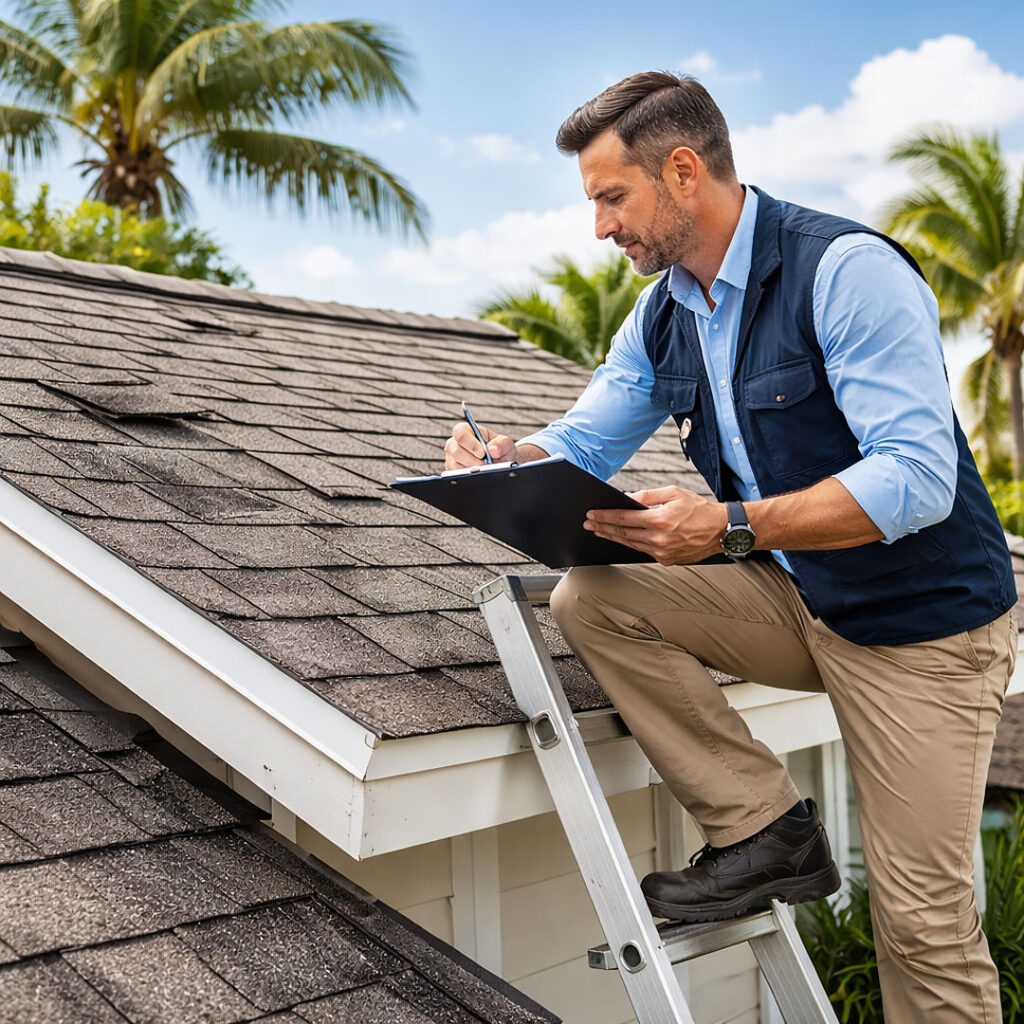
Hidden Hazards and Red Flags: What Adjusters Watch For in a Florida Roof Damage Inspection
Roof damage can be weird and sometimes it’s screaming at you with missing shingles and water dripping through your ceiling, and other times it’s hiding in plain sight. You might not even know your roof is compromised until months later when a small problem becomes a big, expensive disaster.
When an adjuster inspects your roof after a storm, they’re looking for specific signs that tell the story of what happened and how bad the damage really is. Understanding what they’re checking for can help you know whether you’re getting a thorough inspection or a rushed walk-through that misses critical issues.
Checking for Wind and Storm Damage
Florida storms don’t mess around. High winds can do serious damage to roofs without ripping the whole thing off, although that happens too!
Adjusters can be looking for:
- Lifted or curled shingles that have lost their seal
- Creased edges where wind caught and bent the material
- Missing sections or bare spots where shingles blew off completely
- Damaged or exposed underlayment
- Loose or shifted flashing
Wind damage is usually covered under homeowners insurance, but you have to prove it was caused by a specific storm event and not just gradual deterioration. That’s why documentation matters so much with this.
A good adjuster takes the time to identify exactly which shingles were affected and creates a detailed map of the damage. A lazy one might glance from the ground and call it “wear and tear.”
Looking for Hail Damage (The Sneaky Stuff)
Hail damage is tricky because it doesn’t always look dramatic. You’re not necessarily going to see holes punched through your roof. Instead, hail leaves behind bruising, dents, and soft spots that weaken your roof’s integrity over time.
What adjusters check for:
- Dents or divots in shingles (these can be subtle)
- Loss of granules in concentrated spots
- Soft spots where the shingle has been compressed
- Bruising on metal flashing, vents, or gutters
- Impact marks on other parts of the property (AC units, siding, etc.)
The problem with hail damage is that it might not cause leaks right away. However, those compromised shingles will fail faster, age prematurely, and can eventually let water through. Insurance companies know this, which is why they sometimes try to downplay hail damage as possibly be cosmetic.
It’s not cosmetic—it’s structural compromise that will get worse.
Inspecting Flashing and Vulnerable Areas
If your roof is going to leak, it’s probably going to start at the weak points: chimneys, vents, skylights, valleys, and anywhere two roof planes meet.
Flashing is the metal or rubber material that seals these vulnerable spots. When it gets damaged, bent, or loosened, water finds its way in fast.
Adjusters should check the following:
- Chimney flashing for gaps, rust, or separation
- Vent boots for cracks or deterioration
- Valley flashing for proper installation and damage
- Skylight seals for leaks or separation
- Step flashing along walls or dormers
These areas require close-up inspection. You can’t assess them properly from the ground or even from a distance on the roof. A thorough adjuster gets up close, takes photos, and documents any compromise.
If your adjuster doesn’t inspect these areas carefully, they’re missing common sources of water intrusion that could cost you thousands in repairs.
Evaluating Age and Overall Condition
Here’s where things get a bit political: your roof’s age matters a lot to insurance companies, and not always in your favor.
If your roof is older, like say 15-20 years depending on the material, insurance companies might try to argue that damage is due to age and wear rather than a covered storm event. They’ll look for general deterioration, brittleness, curling from sun exposure, or widespread granule loss.
But here’s what homeowners need to understand: just because your roof is older doesn’t mean storm damage isn’t covered. A 15-year-old roof can still be damaged by a hurricane. The adjuster’s job is to differentiate between pre-existing wear and new damage from a specific event.
A good adjuster documents both, showing what was old wear and what’s clearly fresh damage. A biased adjuster might try to lump everything together as “normal aging” to deny the claim.
This is where having a public adjuster on your side makes a massive difference. We know how to separate storm damage from age-related issues and present the evidence properly.
Documentation Is Everything
None of this matters if it’s not properly documented. Photos, measurements, detailed notes, thermal imaging when appropriate. It all builds the case for your claim.
Insurance company adjusters take photos, but they’re often quick shots that don’t tell the full story. They might miss entire sections of damage or fail to capture the extent of the problem.
Public adjusters document everything comprehensively:
- Wide shots showing the overall roof condition
- Close-ups of every damaged area
- Measurements and counts of affected shingles
- Evidence of the damage source (wind, hail, debris impact)
- Before-and-after comparisons when available
- Documentation of interior damage caused by roof leaks
This level of detail is what separates a claim that gets approved for full replacement from one that gets denied or severely undervalued.
Get a Second Opinion
If your insurance company’s adjuster inspects your roof and tells you there’s no damage or only minor issues, but you’re convinced something’s wrong, get a second opinion.
Insurance company adjusters work for the insurance company, not for you. Their assessments aren’t always wrong, but they’re definitely not always complete.
Concerned about your Florida roof after a storm? Contact Global Public Adjusters for a comprehensive inspection that doesn’t miss the details. We’ll document every bit of damage, fight for the full settlement you’re entitled to, and make sure your roof gets properly repaired. Don’t settle for a quick walk-through—get a thorough assessment from adjusters who work for you.