Fire damage can be one of the most devastating experiences a homeowner can endure. The aftermath of a fire not only includes the physical destruction of your property but also the emotional toll it takes on you and your family. Understanding how to navigate the complexities of fire damage restoration and the potential for denied insurance claims is crucial for homeowners.
The Impact of Fire Damage
When a fire occurs, the immediate concern is the safety of everyone involved. Once the flames are extinguished, the focus shifts to assessing the damage. Fire can compromise the structural integrity of a building, destroy personal belongings, and leave behind hazardous materials such as soot and smoke.
Beyond the visible destruction, the hidden damage caused by smoke can linger, creating health risks and requiring specialized cleaning and restoration services. Understanding the full extent of fire damage is essential in preparing for the restoration process and any potential insurance claims.
Common Causes of Fire Damage
Fires can start for various reasons, including cooking accidents, electrical malfunctions, heating equipment failures, and more. It’s important for homeowners to be aware of common fire hazards in their homes to prevent such disasters. Regular maintenance of electrical systems, careful use of cooking appliances, and proper storage of flammable materials can significantly reduce the risk of fire.
Restoration Process After a Fire
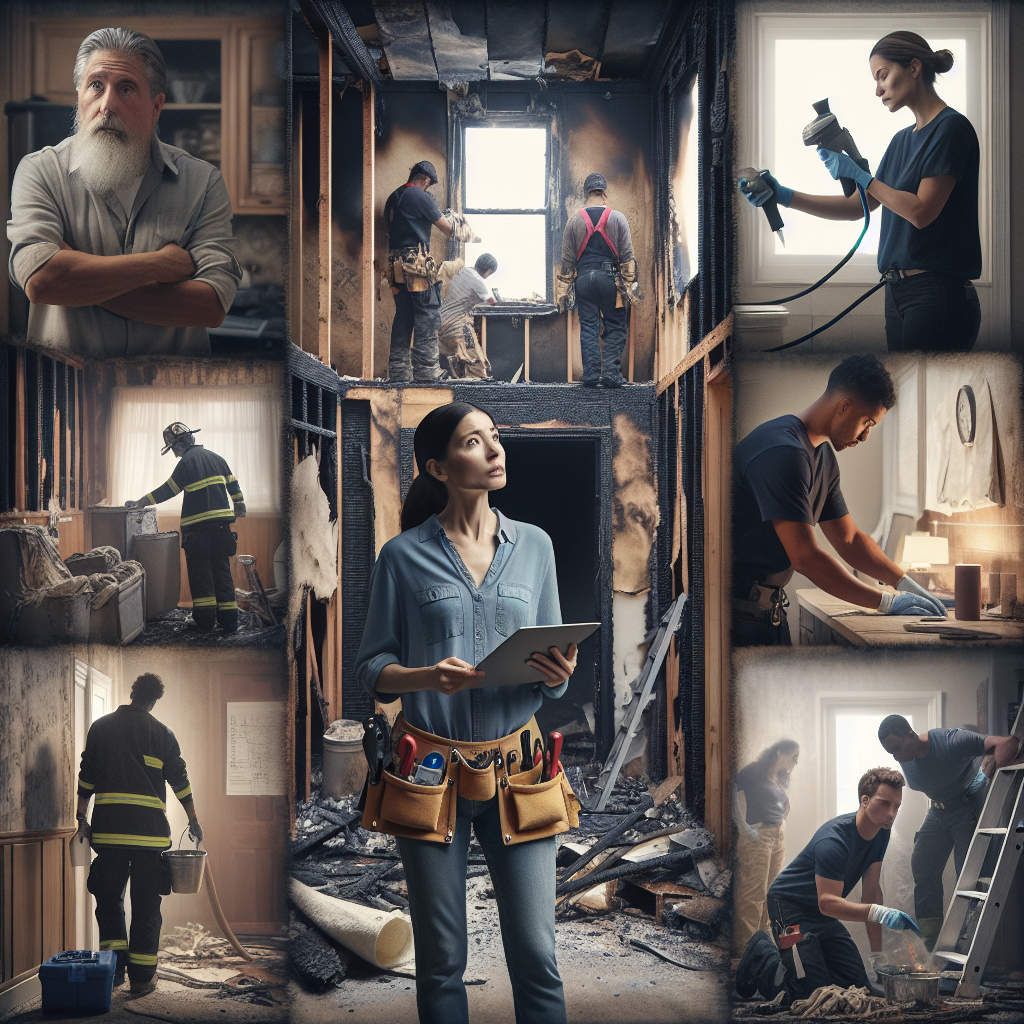
The fire restoration process typically involves several stages:
- Assessment: A professional assessment is conducted to determine the extent of the damage and create a restoration plan.
- Board-Up and Tarping: If necessary, windows and doors may be boarded up, and tarps placed to prevent further damage from weather elements.
- Water Removal: If firefighting efforts involved water, it needs to be removed to prevent mold growth.
- Cleaning and Deodorization: Soot and smoke residues are cleaned, and odor removal techniques are applied.
- Restoration: This includes repairing or replacing damaged structures, walls, and personal property.
Understanding Insurance Claims for Fire Damage
Filing an insurance claim for fire damage can be a complicated process. Homeowners must provide detailed documentation of the damage, including photographs, receipts, and a list of lost items. Insurance policies vary, so understanding your specific coverage is essential.
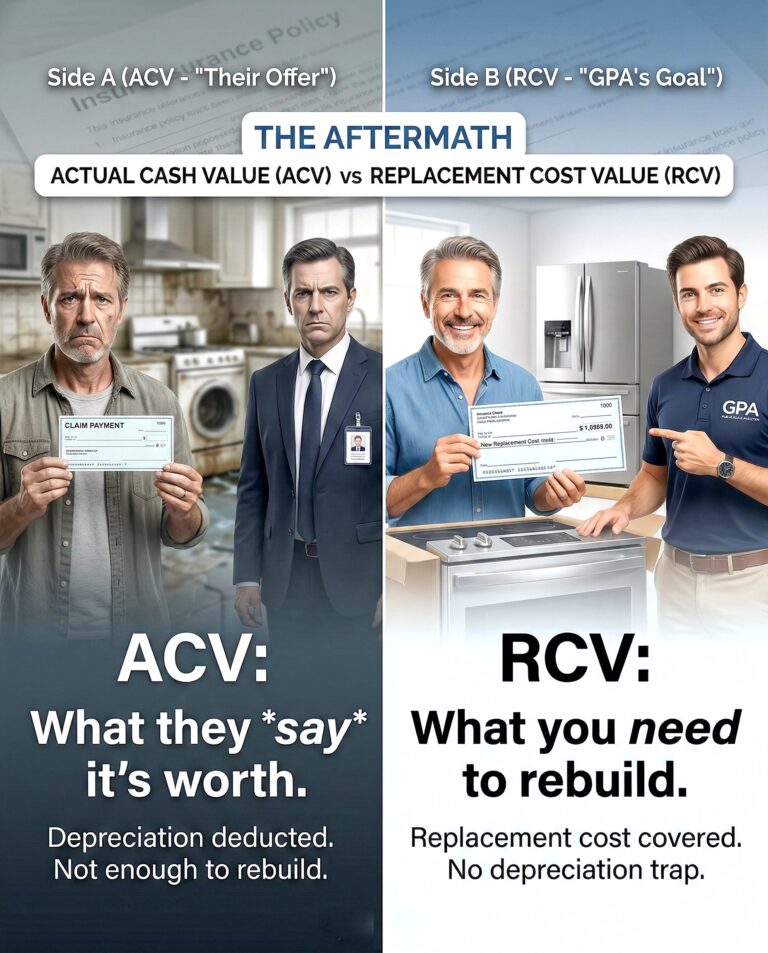
Commonly, insurance policies cover the cost of repairs and replacement of personal property damaged by fire. However, there are instances where claims might be denied. This can happen due to inadequate documentation, policy exclusions, or perceived negligence on the homeowner’s part.
Dealing with Denied Claims
Receiving a denied claim can be frustrating, but it’s not the end of the road. Here are steps to take if your fire damage claim is denied:
- Review the Denial Letter: Understand the reasons for the denial and ensure you have all the necessary documentation.
- Gather Evidence: Collect any evidence that supports your claim, such as photographs, repair estimates, and correspondence with your insurance company.
- Contact Your Insurance Adjuster: Discuss the denial with your adjuster to clarify any misunderstandings and seek a possible resolution.
- File an Appeal: If you believe your claim was unjustly denied, consider filing an appeal with your insurance company. This often involves submitting additional documentation and a detailed explanation of why the claim should be honored.
- Consult a Professional: If the situation remains unresolved, consulting an attorney or a public adjuster may help you navigate the appeals process.
Preventing Future Fire Damage
Once you’ve navigated the aftermath of a fire, it’s crucial to implement safety measures to prevent future incidents. This includes installing smoke detectors, creating an escape plan, and regularly inspecting electrical systems and appliances.
Education plays a key role in fire prevention. Families should regularly review fire safety protocols and ensure everyone knows how to respond in case of an emergency.
Conclusion
Navigating the complexities of fire damage and insurance claims can be overwhelming, but understanding the processes involved is essential for homeowners. By taking proactive measures to prevent fire damage and being prepared to handle insurance claims effectively, you can mitigate the impact of such disasters. Empowering yourself with knowledge and resources not only helps in recovery but also fortifies your home against future risks.