Water damage in bathrooms is a common issue that many homeowners face. Whether it’s due to a small leak from a toilet, a shower, or even a broken pipe, the consequences can be severe. Not only can it lead to structural damage, but it can also create an environment for mold growth, which poses health risks. In this article, we’ll explore the various causes of bathroom water damage, the implications it can have on your home, and what steps you can take if your insurance claim is denied.
Common Causes of Bathroom Water Damage
Bathrooms are often subjected to high moisture levels, making them prone to various forms of water damage. Here are some of the primary causes:
1. Leaking Fixtures
Leaking faucets, showerheads, and toilets are common culprits of bathroom water damage. Over time, the seals on these fixtures can wear down, leading to slow leaks that may go unnoticed until significant damage has occurred.
2. Broken Pipes
Broken pipes can lead to sudden and extensive water damage. This can happen due to freezing temperatures, corrosion, or physical damage. When a pipe breaks, it can release a large volume of water in a short time, overwhelming your bathroom and causing severe damage.
3. Poor Ventilation
Bathrooms that lack proper ventilation can develop high humidity levels, leading to condensation on walls and ceilings. Over time, this moisture can seep into surfaces, promoting mold growth and weakening structural integrity.
4. Flood Damage
Severe weather conditions, such as heavy rainstorms or flooding, can also lead to bathroom water damage. When water enters the home from outside, it can affect various areas, including the bathroom, especially if there are cracks or openings in the foundation.
Identifying Water Damage in Your Bathroom
Recognizing the signs of water damage early can help minimize the impact on your home. Here are some indications you should watch for:
1. Stains and Discoloration
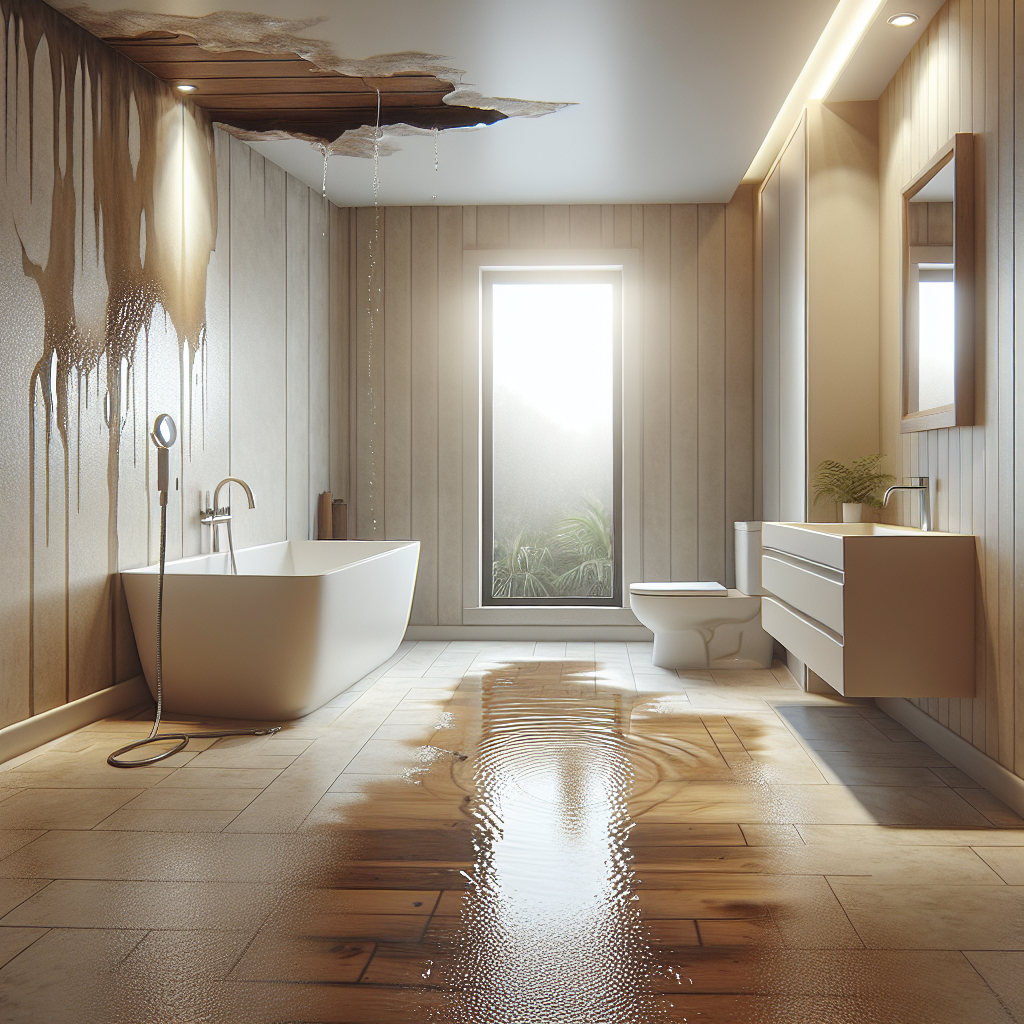
Yellow or brown stains on walls, ceilings, or floors can indicate water damage. Pay attention to any areas where paint is peeling or wallpaper is bubbling.
2. Mold Growth
If you notice mold or mildew in your bathroom, it’s a clear sign of excessive moisture. Mold can grow in hidden areas, such as behind tiles or under sinks, so it’s essential to investigate thoroughly.
3. Warped or Buckled Floors
Water can cause flooring materials, particularly wood, to warp or buckle. If you notice any irregularities in your bathroom floor, it could be a sign of underlying water damage.
The Importance of Addressing Water Damage Promptly
Addressing water damage promptly is crucial for several reasons. Firstly, the longer you wait to address the issue, the more extensive the damage may become. This can lead to more costly repairs and greater inconvenience. Secondly, prolonged exposure to water damage can lead to serious health issues due to mold and mildew growth. Taking immediate action can help mitigate these risks.
Steps to Take After Discovering Water Damage
If you discover water damage in your bathroom, follow these steps:
1. Assess the Damage
Begin by determining the extent of the water damage. Look for the source of the leak and check for any visible signs of damage. If you suspect hidden damage, it may be wise to call a professional for a thorough inspection.
2. Stop the Water Flow
If the damage is due to a leaking fixture or broken pipe, turn off the water supply to prevent further damage. If you’re unsure how to do this, consult a plumber for assistance.
3. Remove Excess Water
Use mops, towels, or a wet/dry vacuum to remove any standing water. This will help prevent further damage and reduce humidity levels in the bathroom.
4. Dry the Area
Ensure that the affected area is thoroughly dried. Open windows and use fans or dehumidifiers to facilitate the drying process. This step is crucial in preventing mold growth.
Understanding Denied Insurance Claims for Water Damage
When you experience water damage, filing an insurance claim is often the next step to seek financial assistance for repairs. However, many homeowners encounter denied claims, which can be frustrating and disheartening.
1. Common Reasons for Denied Claims
Insurance companies may deny claims for several reasons, including:
- Policy Exclusions: Some policies may exclude coverage for specific types of water damage, such as damage from flooding or sewer backups.
- Failure to Mitigate Damage: If the insurer believes you did not take appropriate steps to prevent further damage after the incident, they may deny your claim.
- Late Reporting: Most insurance policies require you to report damage within a certain timeframe. Failing to do so may result in a denial.
2. What to Do If Your Claim Is Denied
If your insurance claim for water damage is denied, don’t lose hope. Here are steps you can take:
- Review Your Policy: Understand your coverage and the reasons for denial. This will help you prepare your appeal.
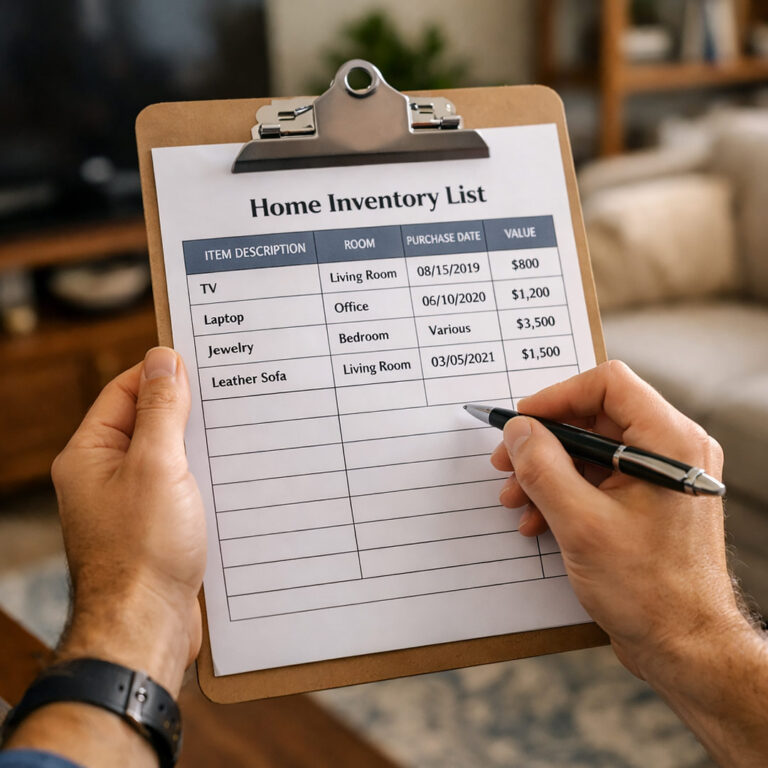
- Gather Evidence: Collect photos, repair estimates, and any documents that support your claim. This evidence can strengthen your appeal.
- Appeal the Decision: Contact your insurance company to discuss the denial and submit your appeal. Be prepared to present your evidence and explain why you believe the claim should be approved.
- Seek Professional Assistance: If you’re struggling with the appeals process, consider hiring a public adjuster or an attorney who specializes in insurance claims. They can provide valuable guidance and support.
Preventing Future Water Damage
After dealing with water damage, it’s essential to take preventative measures to avoid future issues. Here are some tips to help protect your bathroom:
1. Regular Maintenance
Regularly inspect your bathroom fixtures for signs of wear and tear. Replace any worn-out seals or gaskets to prevent leaks.
2. Improve Ventilation
Ensure your bathroom is well-ventilated to reduce humidity levels. Consider installing an exhaust fan to help remove moisture after showers or baths.
3. Monitor Water Pressure
High water pressure can strain your plumbing system and increase the risk of leaks. If you notice low water pressure, consider having your plumbing system checked.
Conclusion
Understanding the causes and implications of bathroom water damage is vital for any homeowner. By taking proactive steps to address issues promptly and understanding your insurance coverage, you can better protect your home and your finances. Remember that prevention is key, and regular maintenance can go a long way in safeguarding your bathroom from future water damage.