
How to Actually Prepare Your Florida Home for Hurricane Season
Why Early Preparation Is Your Only Real Protection
Hurricane season in Florida brings the yearly cycle of monitoring weather systems, tracking tropical depressions, and watching storms that seem to grow stronger and less predictable each year. While you can’t control where a hurricane goes, you have complete control over how prepared your home is when it arrives.
Proper preparation doesn’t just protect your family—it minimizes damage, safeguards your belongings, and simplifies the insurance process if you do sustain losses. Here’s what you need to do before the next storm threatens the coast.
Get Your Roof Ready (It’s Your First Line of Defense)
Your roof takes the beating when hurricane winds hit. If the roof fails then everything else can fail along with it. Don’t wait until there’s a named storm heading our way, schedule a professional roof inspection now.
What they should check:
- Loose, cracked, or missing shingles
- Soft spots or sagging areas that indicate weakness
- Worn flashing around vents, chimneys, and skylights
- Debris clogging gutters and valleys
If you’re in a high-risk zone (which most of coastal Florida qualifies for), talk to your roofer about upgrades like hurricane straps or impact-rated materials. Yeah, it costs money upfront, but it can save you tens of thousands in damage—plus many insurance companies offer discounts for these improvements.
Protect Your Windows and Doors
Here’s what happens: a tree branch or piece of debris breaks a window during the storm, and suddenly wind and rain are inside your house. Now you’ve got interior damage on top of everything else.
Some ways to help prevent it:
- Install impact-resistant windows or permanent storm shutters
- Reinforce your garage door with a bracing kit (garage doors are surprisingly vulnerable)
- Seal any gaps around door frames and windows
- Consider temporary plywood covers if you can’t afford permanent solutions
Even small openings can lead to catastrophic interior damage once the storm gets inside. Don’t give it an entry point.
Clear Your Yard Before the Wind Does It for You
That cute patio furniture? Those decorative planters? Your kid’s trampoline? In 100+ mph winds, they all become potential projectiles that can punch through windows, dent cars, or worse, cause an injury.
Before storm season kicks off:
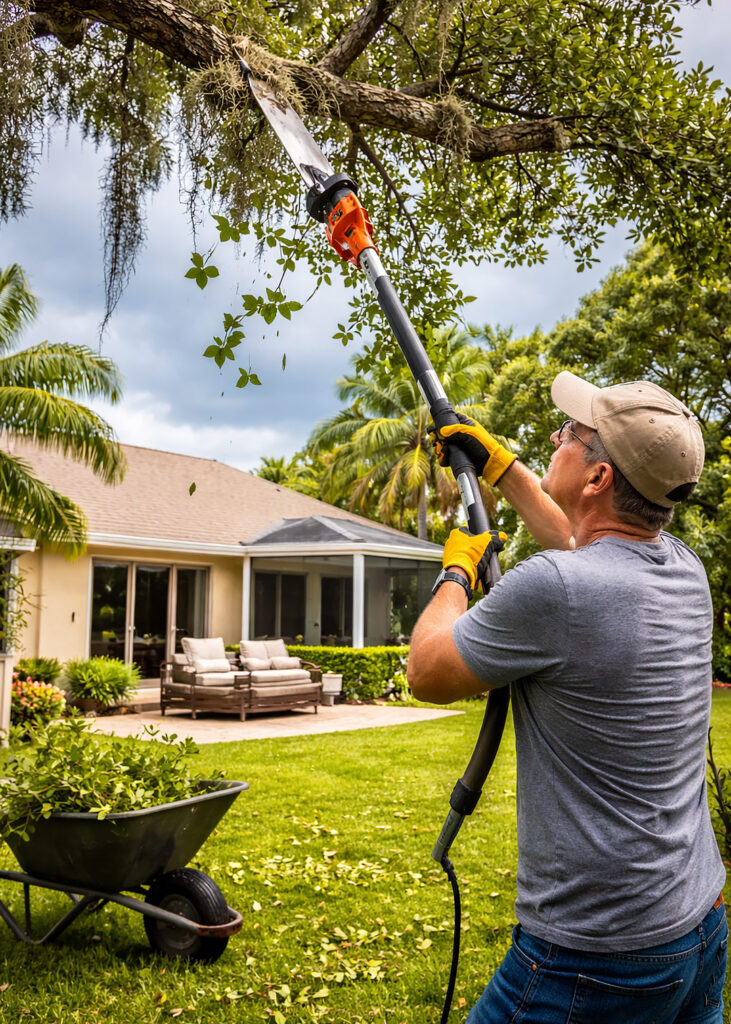
- Trim overhanging tree branches and remove dead limbs
- Bring everything movable inside such as furniture, grills, toys, decorations
- Anchor anything that stays outside like sheds, playsets, pool equipment
- Check your fence for weak posts or loose boards
A clean yard isn’t just about protecting your stuff, it’s also about not being the house that accidentally destroys the neighbor’s car with a flying lawn chair!
Prep the Inside Too
Don’t just focus on the exterior. Inside your home, a few smart moves can prevent a lot of heartache:
- Move valuables, electronics, and important items to higher shelves (especially if you’re in a flood zone)
- Store critical documents—insurance policies, IDs, medical records—in waterproof, fireproof containers
- Test your sump pump if you have one
- Check for leaks around windows and doors before the storm tests them for you
- Know where your main water shutoff valve is
If you live in a flood-prone area, consider elevating major appliances or installing temporary flood barriers. Even a few inches of water can destroy thousands of dollars in belongings.
Actually Read Your Insurance Policy (Seriously)
Most people don’t look at their homeowners insurance until after damage happens. By then, it’s too late to fix coverage gaps.
It’s good to check these things now:
- Your coverage limits—are they still accurate for your home’s current value?
- Whether you have flood insurance (it may be that your standard policy probably doesn’t cover flooding)
- What your hurricane deductible is (it’s often higher than your regular deductible)
- When your policy was last updated
If you’re confused about what’s covered or think you might have gaps, talk to a public adjuster before hurricane season starts. They can review your policy, identify weak spots, and help you understand what you’re actually protected against. It’s way better to find out now than after a tree is sitting in your living room.
Know What to Do After the Storm
If your home does get damaged, the first 24-48 hours are truly important:
- Document everything – Take photos and videos of all damage before you touch anything
- Make temporary repairs to prevent further damage (tarps, boarding up windows), but photograph first
- Save every receipt for emergency repairs, hotel stays, meals—everything
- Contact your insurance company to report the claim
- Get professional help – A public adjuster can handle the claims process while you focus on getting your life back to normal
Don’t try to navigate a major insurance claim by yourself when you may be already stressed and exhausted. That’s exactly when insurance companies hope you’ll accept a lowball settlement just to move on.
Hurricane season is coming—make sure your Florida home is ready. And if storm damage does happen, contact Global Public Adjusters to help you document your losses and fight for the full settlement you deserve. We handle the insurance company so you can focus on recovery.