
Florida Public Adjuster for Mold Damage Claims
Licensed Florida Public Adjusters Helping Homeowners & Businesses Maximize Their Mold Damage Insurance Claims
Mold Damage: Cause and Effect
When mold damage strikes your Florida home or business, insurance companies routinely deny claims, underpay the true scope of the loss, or exclude remediation costs from settlements — even when the mold is a direct result of a covered water loss their own policy covers.
A licensed Florida public adjuster from Global Public Adjusters works exclusively for you. Our experienced public adjusters assess the full extent of your mold damage, identify the underlying covered water event that caused it, document every element of your claim, and negotiate aggressively to secure the maximum payout your property insurance policy provides.
Whether your mold damage resulted from a burst pipe, hidden leak, storm water intrusion, hurricane claims, fire suppression water, or any other covered water damage loss, Global Public Adjusters provides a free claim review, complete claim documentation, and full representation throughout the insurance claim process — no upfront fees and no cost unless we recover money for you.
Why Mold Damage Spreads So Fast in Florida
Mold thrives in damp and humid conditions — and Florida’s warm, year-round climate makes it one of the most mold-prone states in the country. Mold reproduces through microscopic spores that spread rapidly through a property, infiltrating porous materials like wood, drywall, and fabric. In Florida’s climate, mold can begin developing within 24 to 48 hours of any water intrusion event.
Common Types of Mold Found in Florida Properties
Stachybotrys Chartarum (Black Mold): Dark green or black in appearance, black mold can produce mycotoxins that pose serious health risks — particularly to those with respiratory conditions. Symptoms including allergies, asthma, flu-like symptoms, headaches, and skin irritation may indicate black mold in your property.
Aspergillus: Variable in color and commonly found indoors, certain Aspergillus strains produce mycotoxins and can cause significant health issues for building occupants.
Cladosporium: A common outdoor mold that frequently enters Florida homes, Cladosporium can trigger respiratory problems in areas with persistent moisture.
Penicillium: Recognizable by its blue or greenish appearance, Penicillium causes respiratory issues and contaminates building materials throughout affected areas.
Alternaria: Common in damp Florida environments, prolonged Alternaria exposure causes allergic reactions — particularly in property owners with compromised immune systems.

Hurricane Damage Claims

Water Damage

Storm Damage

Mold Damage

Roof Damage

Hail Damage Claims

Cast Iron Pipe Claims

Polybutylene Pipes

Blasting Damage

Lightning Damage

Tornado Damage

Fire Damage

Sinkhole Damage

Theft Damage

Business Loss
Signs of Mold Damage in Your Florida Home or Business
Mold is not always immediately visible. Many serious mold damage situations develop inside walls, beneath flooring, and above ceilings before becoming apparent. Watch for these warning signs:
- Musty or earthy odors in any room or enclosed space
- Visible mold growth on walls, ceilings, floors, or surfaces
- Discoloration or staining on walls, ceilings, or flooring
- Peeling, bubbling, or blistering paint or wallpaper
- Water stains or evidence of hidden leaks behind surfaces
- Warped or distorted wood, drywall, or building materials
- Increased allergy symptoms, respiratory issues, or flu-like symptoms among occupants
- Persistent humidity or moisture issues that do not resolve
- Condensation on windows or interior surfaces
- Damp or moldy smell in carpets, upholstery, or enclosed storage areas
If you are experiencing any of these signs — contact Global Public Adjusters for a free claim review and professional mold damage assessment.
Why Insurance Companies Underpay or Deny Mold Claims in Florida
Mold damage claims are among the most frequently denied and underpaid property insurance claims in Florida. Understanding the most common denial tactics helps policyholders recognize when they need a public adjuster.
Mold Exclusions
Insurers invoke mold exclusions or limited endorsements to deny or cap coverage for remediation costs — even when the mold is a direct result of a covered water damage event.
Disputed Underlying Cause
Insurance companies deny mold claims by disputing whether the underlying water damage was sudden and accidental or gradual and excluded — characterizing hidden leaks and slow moisture intrusion as maintenance issues rather than covered losses.
Insufficient Claim Documentation
Mold claims get denied or underpaid when the connection between the covered water loss and the resulting mold damage is not properly documented — leaving the insurer room to dispute coverage.
Undervaluation of Remediation Costs
Even when mold coverage applies, insurance companies frequently offer settlements that cover only a fraction of the true cost of professional mold remediation — failing to account for the full scope of affected materials, air quality treatment, and structural restoration needed.
Denied Mold Claims After Hurricane or Storm Damage
Hurricane and storm-related mold damage claims are among the most commonly denied in Florida — with insurers disputing whether the mold resulted from covered wind-driven water intrusion or from rising floodwater excluded under the standard policy.
Does Florida Homeowners Insurance Cover Mold Damage Claims?
Whether your mold damage is covered by insurance depends on your specific policy and the underlying cause of the mold. This is one of the most critical and misunderstood aspects of mold damage insurance claims in Florida — and where the expertise of an experienced public adjuster makes the greatest difference in your outcome.
- Mold Resulting: from a Covered Water Event Florida homeowners insurance policies typically cover mold damage when it is a direct result of a covered water loss — such as a burst pipe, appliance failure, storm water intrusion, roof leak, or fire suppression water. When the underlying water damage loss is covered under your policy, the related mold growth that results from that covered peril may be covered as well. Establishing the connection between the covered water event and the resulting mold is the foundation of a successful mold damage claim.
- Mold Exclusions and Policy Limitations: Many Florida homeowners insurance policies contain mold exclusions or endorsements that limit mold coverage — capping payouts at specific dollar amounts or excluding mold entirely unless it results from a specifically listed covered peril. Global Public Adjusters reviews your policy in detail and identifies every avenue of coverage available for your mold damage claim.
- Gradual Damage and Hidden Leaks: Insurance companies frequently deny mold damage claims by arguing that the underlying moisture source was a hidden leak or gradual water damage that developed over time — and is therefore excluded from coverage. This is one of the most common denial tactics used against Florida mold claims, and one that experienced public adjusters challenge by establishing the facts of the claim and connecting the mold to a covered water damage loss.
- Commercial Insurance and Business Interruption: Commercial property owners facing mold damage may have coverage available under their commercial insurance policy — including coverage for property damage, mold remediation costs, and business interruption losses if the mold renders the property unusable. Global Public Adjusters handles mold damage claims for both residential homeowners and commercial property owners throughout Florida.
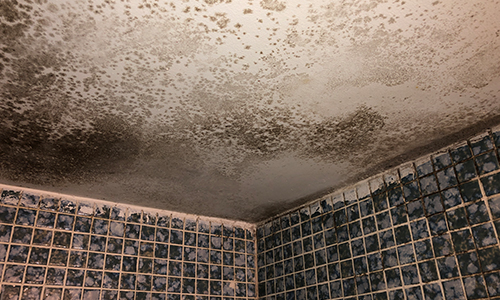
Steps to Take After Discovering Mold Damage:
- Prioritize Safety:
- Wear protective gear such as gloves and a mask to minimize exposure.
- Identify and address any immediate safety hazards, such as electrical issues or structural damage.
Document the Mold Damage:
- Take clear photographs and videos of visible mold growth, water damage, and any affected areas.
- Note the location, extent, and characteristics of the mold for documentation purposes.
Isolate the Affected Area:
- Seal off the affected area to prevent the spread of mold spores to other parts of the home.
Identify the Source of Moisture:
- Address and fix any water leaks or sources of excessive moisture that contribute to mold growth.
Contact Your Insurance Company:
- Notify your insurance company about the mold damage, providing a detailed account of the situation and the documented evidence.
Hire a Public Adjuster:
- Reach out to Global Public Adjusters to represent your interests during the insurance claim process. We specialize in assessing and negotiating mold damage claims to ensure a fair and comprehensive settlement.
Professional Mold Assessment:
- Schedule a professional mold assessment to determine the type and extent of the mold infestation. Global Public Adjusters can assist in coordinating this process.
Mold Remediation:
- Seek the services of a reputable mold remediation company to address the mold issue. Remediation involves the removal and cleanup of mold-infested materials to prevent further growth.
How Global Public Adjusters Can Help:
- Thorough Claim Assessment: We conduct a detailed evaluation of the mold damage, considering both visible signs and potential health implications.
- Negotiation with Insurance Companies: Our experienced team negotiates with insurance companies to secure fair compensation for the full extent of mold damage.
- Coordinated Mold Assessment: We assist in coordinating professional mold assessments to ensure a comprehensive understanding of the mold situation.
- Guidance in Remediation: Global Public Adjusters can recommend and guide you in selecting a reputable mold remediation company to ensure proper cleanup and prevention.
Mold Remediation Companies: Mold remediators specialize in the removal and cleanup of mold-infested materials. They typically follow a process that includes:
- Assessment: Identifying the extent and type of mold infestation.
- Containment: Isolating the affected area to prevent the spread of mold spores.
- Removal: Removing and disposing of mold-infested materials.
- Cleaning: Thoroughly cleaning and treating surfaces to prevent future mold growth.
- Prevention: Recommending measures to prevent future mold issues, such as addressing moisture sources.
By following these steps and leveraging the expertise of Global Public Adjusters, homeowners can navigate the complexities of mold damage claims and ensure a thorough and efficient resolution of the issue.
Why Choose Global Public Adjusters for Mold Damage Claims in Florida
Licensed Public Adjusters Working for Florida Policyholders
Global Public Adjusters holds all required Florida licenses for public adjusting — representing policyholders exclusively in the insurance claim process. Our licensed public adjusters are experienced in the specific coverage issues, denial tactics, and documentation requirements that distinguish mold damage claims in Florida.
We Connect Mold Damage to Covered Water Losses
The key to a successful mold damage claim is establishing that the mold resulted from a covered water event under your policy. Our experienced public adjusters specialize in identifying and documenting the underlying covered water loss — whether from burst pipes, hidden leaks, storm water intrusion, or fire suppression water — and building the documented connection that supports full mold coverage.
20+ Years Handling Mold Claims Across Florida
As a family-owned public adjusting firm serving Florida policyholders for over 20 years — including homeowners in Boca Raton, South Florida, and communities statewide — Global Public Adjusters has the experience and track record to handle denied mold claims, underpaid mold claims, and complex mold damage situations involving hurricane claims, commercial insurance, and business interruption.
No Upfront Fees — Contingency Representation
Global Public Adjusters works on contingency — no upfront cost and no fee unless we recover money on your behalf. There is no financial risk in contacting us for a free claim review today.
Mold Damage Insurance Claim FAQ
Florida homeowners insurance policies generally cover mold damage when it is a direct result of a covered water loss — such as a burst pipe, appliance failure, storm water intrusion, or fire suppression water. However, mold resulting from gradual moisture buildup, hidden leaks attributed to lack of maintenance, or flooding requiring separate flood insurance may not be covered under a standard policy. Many Florida policies also contain mold exclusions or endorsements that cap mold coverage at specific dollar amounts. Global Public Adjusters reviews your specific policy, identifies all available mold coverage, and builds the documented connection between your mold damage and the underlying covered water event to maximize your claim settlement.
Mold damage claims are denied in Florida for several common reasons — mold exclusions or limited endorsements, the insurer characterizing the underlying moisture as gradual damage rather than a sudden covered loss, insufficient documentation connecting the water damage to the mold, and disputes over the scope and cost of remediation. A denied mold claim is not final. Global Public Adjusters reviews your denial, conducts an independent assessment, and pursues a full reevaluation — challenging improper exclusions and building the documented case for the maximum payout your policy provides.
A licensed Florida public adjuster from Global Public Adjusters conducts an independent assessment of your mold damage — identifying all affected areas, documenting the underlying covered water loss, and building a comprehensive claim file that connects the mold to a covered peril under your policy. We handle all communication and negotiation with your insurance company, pushing back against underpayment and denial tactics and pursuing the maximum settlement amount available under your property insurance policy. Florida policyholders who work with experienced public adjusters consistently recover significantly more than those who navigate the mold claims process alone.
Many Florida homeowners insurance policies contain both mold coverage provisions and mold exclusions or endorsements that interact in ways that are not always clear to policyholders. A mold exclusion may exclude mold damage as a standalone covered peril — but the same policy may still cover mold when it results from a covered water loss event. A mold endorsement may add limited mold coverage up to a specific dollar cap. Understanding how these provisions interact in your specific policy is critical to knowing what you are entitled to claim — and is one of the most valuable services a licensed public adjuster provides.
Understand "The Insurance Claim Process" with Global Public Adjusters. We'll assist you all the way through the claim till you get your correct cash award settlement.

In the case where a claim might have already been denied it is no problem to reopen the case and request a reevaluation of the factors and policy terms.

In a case where the insurance company has come up with too low an initial offer than expected, Global Public Adjusters will file for a reappraisal of the claim.
