
AI-Driven Damage Assessments and the Future of Insurance Claims
AI-Driven Damage Assessments and the Future of Insurance Claims
Technology is reshaping the insurance world at a remarkable pace, and one of the biggest shifts of 2026 is the rise of AI-driven damage assessments. After hurricanes and major storms, insurance companies now lean heavily on drones, satellite imaging, and machine learning tools to evaluate damage in record time. Speed sounds great on paper. But here is the question every property owner should be asking. Fast for whom, and accurate for whom? At Global Public Adjusters, we believe technology should serve policyholders, not shortchange them. That is why we stand in your corner when an algorithm decides what your claim is worth.
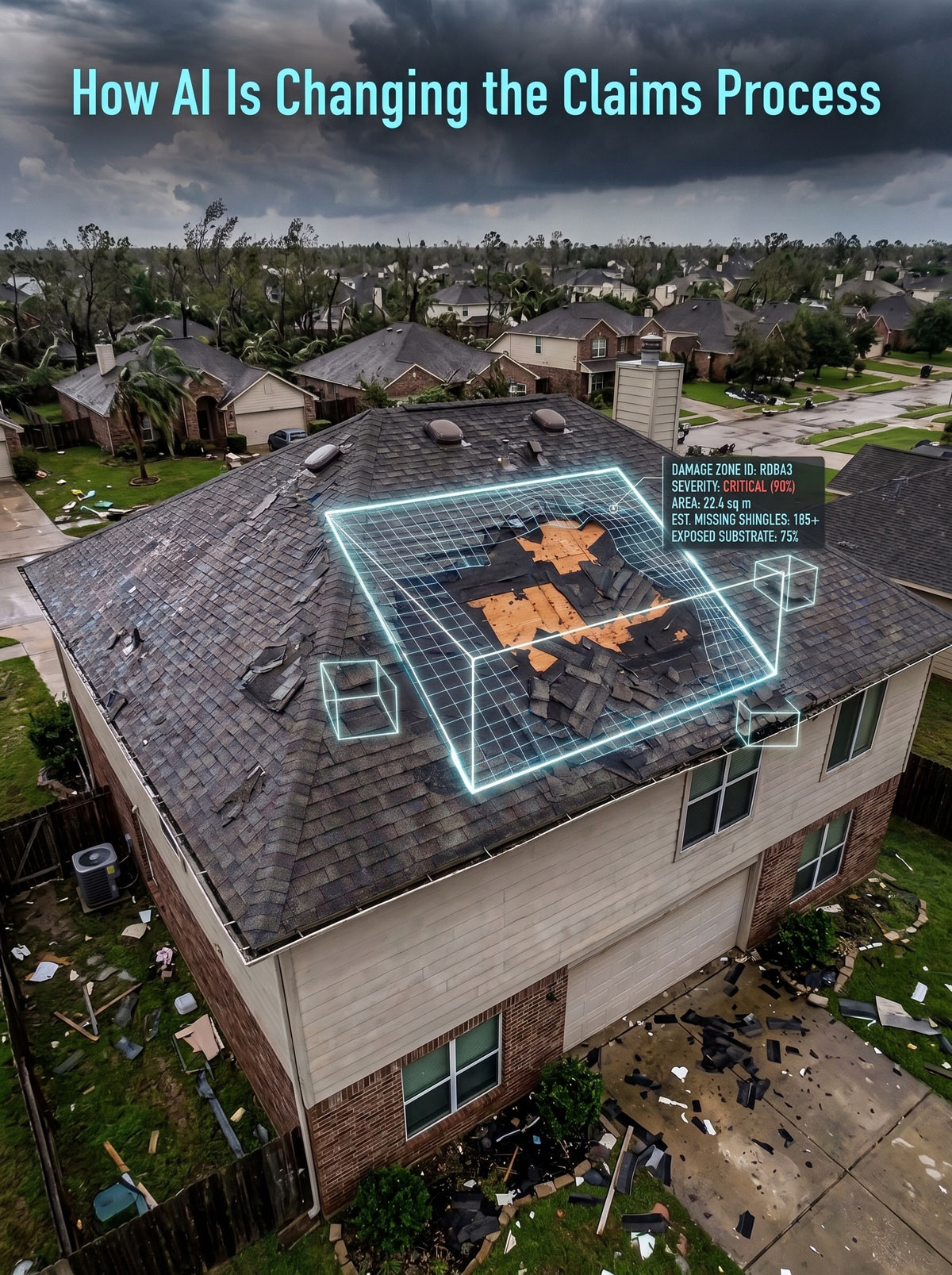
How AI Is Changing the Claims Process
The capabilities are genuinely impressive. AI tools can scan rooftops, measure debris fields, and flag structural issues from aerial images captured in minutes. Drones reach angles a human inspector might never see, and software can compare your damage patterns against thousands of past claims. For insurers handling enormous volumes after a widespread storm, this efficiency is a game changer. Claims that once took weeks to inspect can now receive an initial assessment within days.
Where the Technology Falls Short
Here is what the glossy technology headlines leave out. AI assessments are far from perfect, and the errors almost never favor the property owner. Algorithms can overlook subtle damage, misread shadows as intact roofing, and completely miss problems hiding beneath the surface. A satellite cannot smell moisture in your walls. A drone cannot lift a shingle to check the underlayment. When a computer model says your home looks fine from three hundred feet up, your family is the one left living with the consequences.
That is exactly where your advocates at Global Public Adjusters step in. Our adjusters focus on:
- Identifying overlooked damage, including underlayment failures, hidden moisture, structural shifts, and interior problems that AI simply cannot detect from the air
- Challenging inaccurate assessments and fighting to make sure your claim reflects the true scope of repairs your property actually needs
Human Advocacy in a High-Tech Claims World
A public adjuster works for you, the policyholder, never for the insurance company. While the insurer’s technology is built to process claims quickly and control costs, our job is to make sure nothing about your loss gets minimized, rounded down, or written off by a line of code. We walk your property in person. We climb, we probe, we photograph, and we document what the machines missed. Then we put that evidence to work, verifying or disputing the AI’s findings so your settlement is based on reality, not on an aerial estimate.
Homeowners and business owners alike deserve that level of representation. Commercial properties in particular often contain layered damage that automated tools misjudge, from roofing systems to HVAC platforms to interior finishes. Whatever type of property you own, you should never have to accept a computer’s version of your loss without someone checking the math.
The Future Belongs to Informed Policyholders
AI is not going away, and honestly, it should not. Used well, it can speed up recovery for entire communities after devastating storms. But powerful tools demand powerful accountability, and technology works best when it is paired with human expertise and genuine advocacy. That is the balance Global Public Adjusters brings to every claim. We embrace the technology, we understand how insurers use it, and we know exactly where it fails property owners like you.
You paid your premiums. You held up your end of the bargain. When it is time to file a claim, you deserve a champion who makes sure the insurance company holds up theirs, no matter how sophisticated their software becomes.
