
Air Conditioner Damage Claims and What Florida Homeowners Should Know
Ask any Floridian what the most important appliance in their home is and you will get the same answer every time. The air conditioner. In July, it is not a luxury. It is survival. So when an AC unit suddenly fails, the situation gets uncomfortable fast. The temperature climbs, the humidity creeps in, and before long you are worrying about mold on top of everything else.
What many homeowners do not realize is that AC damage is sometimes covered by insurance, depending on what caused it. Knowing how the damage happened and documenting it properly can make all the difference.
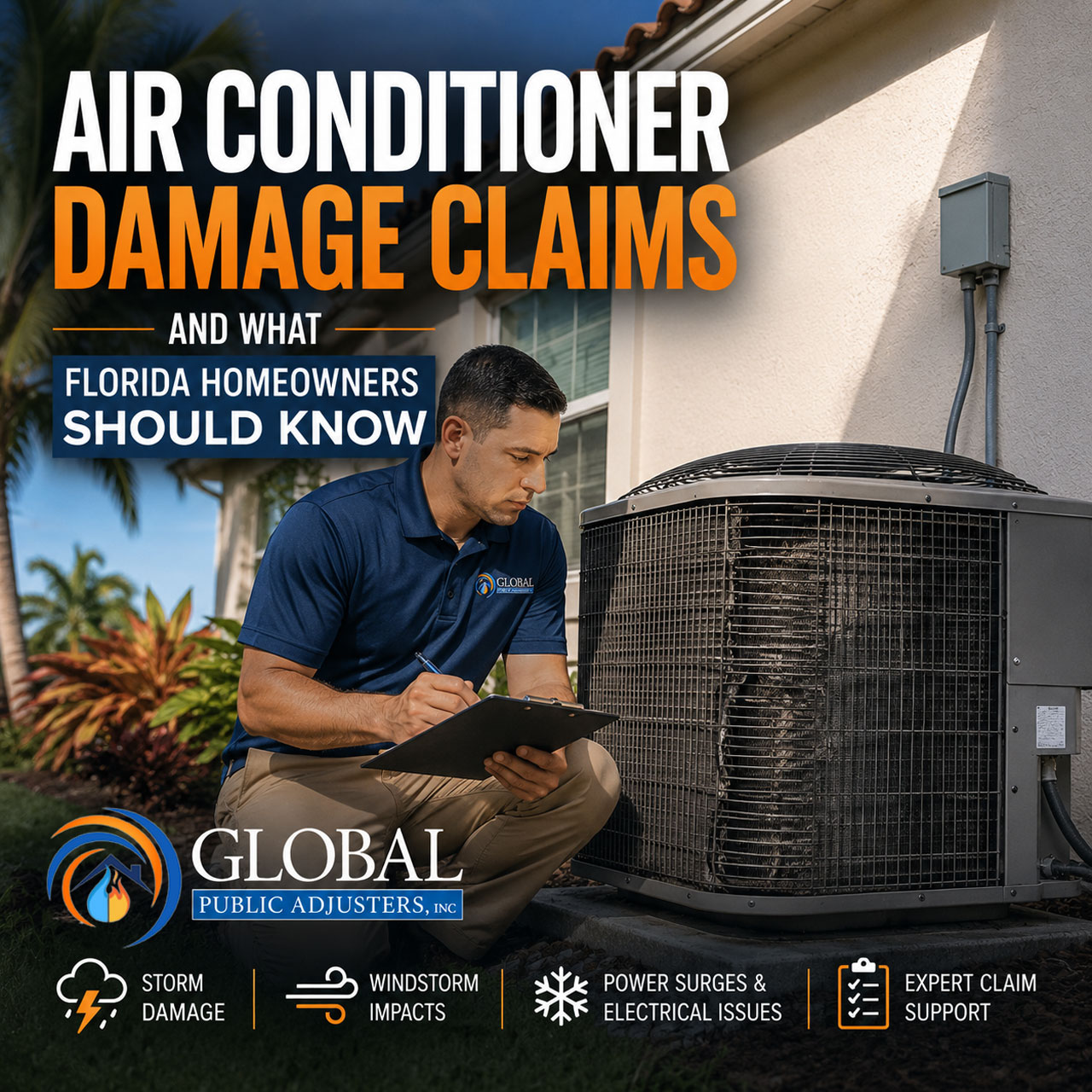
The Usual Suspects
Electrical failure sits at the top of the list. Power surges from storms or nearby lightning strikes can burn out internal components, damage the compressor, or knock the unit offline entirely. If your AC starts making unusual noises, blowing weak air, or shuts down completely after a storm, a surge may be the culprit. These situations almost always call for a professional inspection, because the real damage is usually internal.
Storms cause plenty of trouble on the outside too. Your outdoor condenser unit sits exposed to whatever Florida weather throws at it. Flying debris can dent the housing or bend the fan blades. Flooding is even sneakier. Water that gets into the electrical components can cause corrosion and short circuits that surface days or weeks later. Even damage that looks cosmetic can quietly reduce efficiency and drive up your energy bill every month.
Building Your Paper Trail
When it comes to an insurance claim, evidence is everything. Two simple steps set you up well.
Take photos of the unit from every angle, including any visible damage, debris, or signs of flooding around it.
Keep records of technician reports, repair estimates, and your maintenance history.
That last one surprises people, but it matters. Insurance companies typically cover damage that is sudden and accidental, not damage from ordinary wear and tear. A documented maintenance history shows your unit was in good working order before the event, which makes it much harder for anyone to argue the failure was just an old system giving out.
The Hidden Cost of a Dead AC
In most states, a broken air conditioner is an inconvenience. In Florida, it can trigger a chain reaction. Without climate control, indoor humidity rises fast, and it does not take long for that moisture to invite mold growth on walls, furniture, and fabrics. Wood can swell. Electronics can suffer. What started as an equipment failure can quietly become a property-wide problem.
This is why timing matters so much with AC damage. Getting the unit inspected quickly, documenting everything, and moving the claim forward without delay protects more than your comfort. It protects the rest of your home.
Why These Claims Get Complicated
AC claims sit at a strange intersection. They involve electrical systems, mechanical components, weather events, and policy language all at once. An insurer might agree the unit is damaged but dispute what caused it. Or they might cover one component and deny another. For a homeowner sweating it out in a hot house, sorting through all of that is the last thing anyone wants to do.
This is where a public adjuster changes the equation. Adjusters understand what evidence insurers look for, how coverage applies to different types of AC damage, and how to present a claim so nothing gets missed. They handle the back and forth with the insurance company so you can focus on getting cool air flowing again.
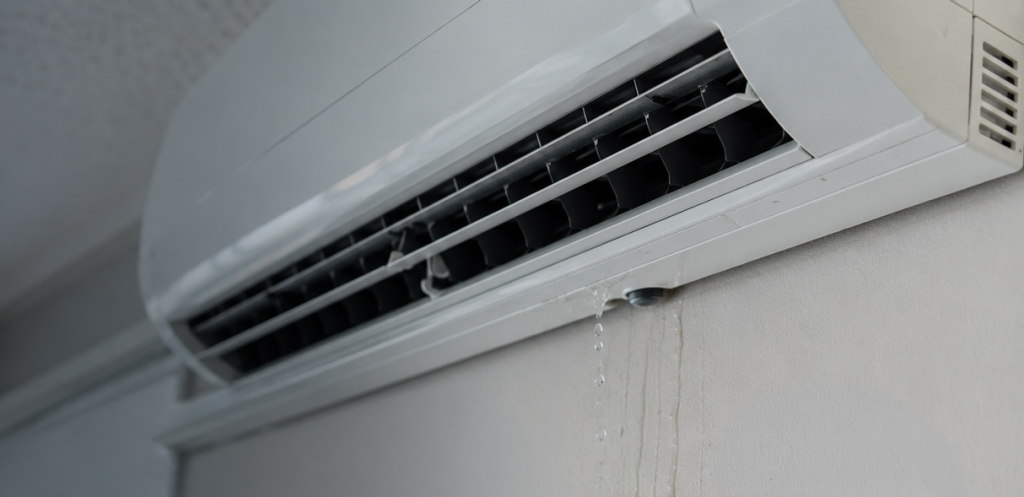
Global Public Adjusters works with Florida homeowners to simplify the process and protect their homes. When your AC goes down in the middle of a Florida summer, every day counts. You deserve support that helps you restore comfort and safety quickly, and a claim outcome that actually reflects what you lost.
