
What Actually Happens When an Adjuster Evaluates Water Damage From a Plumbing Failure
Water damage from a plumbing failure has a way of being both obvious and deeply deceptive at the same time. The wet floors, the soaked drywall, the ruined belongings — those are the parts you can see. But the part that tends to cause the most long-term trouble is everything hiding behind the walls, under the subfloor, and inside the insulation where no one thinks to look.
A burst pipe or a slow-leaking supply line can release an astonishing amount of water in a short period of time. And once that moisture finds its way into a structure, it doesn’t just sit there — it migrates, spreads, and creates conditions that lead to mold growth, compromised materials, and repair costs that compound the longer they go unaddressed. By the time a homeowner realizes the extent of what they’re dealing with, the damage has often traveled well beyond where the water was originally visible.
This is exactly why the evaluation process matters so much — and why the tools and methods used to conduct it can make a significant difference in what a claim ultimately recovers.
Seeing What the Eye Can’t
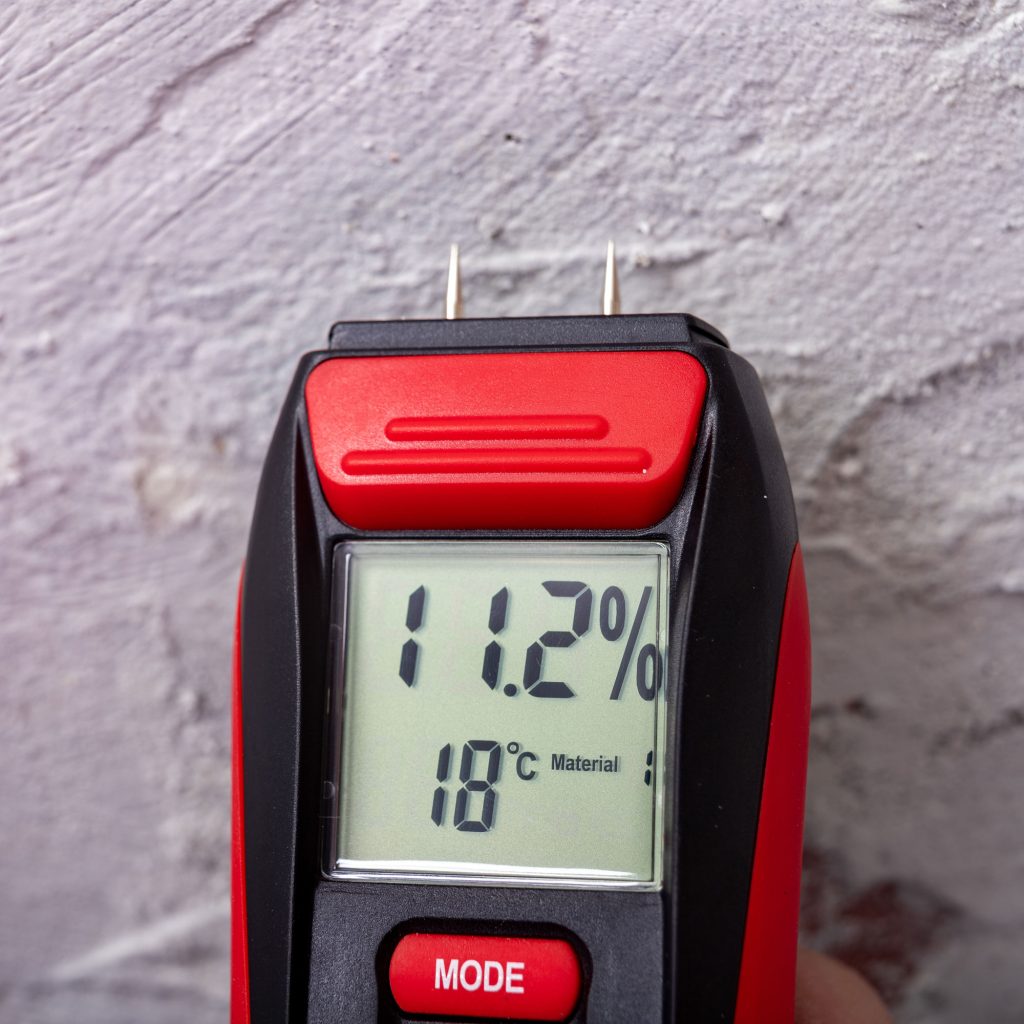
A trained public adjuster doesn’t just walk through a damaged space and take notes on what’s wet. They use specialized equipment to map how far moisture has actually traveled and how deeply it has penetrated different materials:
- Thermal imaging cameras detect temperature differences in walls and ceilings that indicate hidden moisture — areas that look completely normal to the naked eye
- Moisture meters measure saturation levels inside building materials, revealing whether something is damp enough to require replacement or just drying
- Hygrometers assess ambient humidity, helping determine how the space is drying and whether conditions are favorable for mold development
Together, these tools paint a much fuller picture of what’s actually happening inside a structure — one that a surface-level inspection simply can’t provide.
The Water Category Question
Not all water damage is the same, and the type of water involved shapes nearly every decision that follows. Water damage is generally classified into three categories based on contamination level. Category 1 involves clean water from a source like a supply line break or appliance malfunction — relatively straightforward to address if caught quickly. Category 2 involves gray water, which carries some level of contamination and requires sanitization as part of the cleanup process. Category 3 is the most serious, involving highly contaminated water from sources like sewage backups or floodwater, where affected materials typically need to be fully removed rather than dried and restored.
Getting this classification right isn’t just a technical detail. It determines what safety protocols are required, what equipment needs to be brought in, which materials can be saved, and ultimately how long and how costly the restoration process will be. A misclassification — even an unintentional one — can lead to inadequate remediation and real health risks down the line.
Building the Claim
Once the full picture of damage is established, the documentation work begins. A thorough evaluation includes photographs, video, detailed notes on the condition of individual materials, measurements of affected areas, and a clear record of what can be salvaged versus what needs to go. All of that becomes the foundation of the insurance claim.
From there, a public adjuster prepares what’s called a scope of loss — a line-by-line estimate that covers demolition, drying equipment, material replacement, labor, and mold prevention measures. This level of detail isn’t just procedural. It’s what ensures that a homeowner is compensated not only for the damage they could see on day one, but for everything the inspection process uncovered.
Why It Matters Who Does the Evaluation
Insurance companies have their own adjusters, and those adjusters are doing their jobs — but their job is to evaluate the claim on behalf of the insurer. A public adjuster works exclusively for the homeowner. That difference in perspective shows up in the thoroughness of the inspection, the detail of the documentation, and ultimately in the outcome of the claim.
Water damage from a plumbing failure is stressful enough on its own. Having someone in your corner who knows how to find the full extent of it — and document it properly — can make an enormous difference in what comes next.
If you’ve experienced water damage and want to make sure your claim reflects the full picture, reach out to Global Public Adjusters for a free consultation.
