
How Adjusters Evaluate Mold Damage
How Adjusters Evaluate Mold Damage
Mold damage sits in an uncomfortable middle ground for many homeowners. It’s not always visible, it’s not always straightforward to trace back to a specific cause, and insurers don’t always approach it with the same clarity they bring to more obvious losses. Whether a mold claim gets approved, and for what amount, often comes down to how thoroughly the damage is documented and how precisely its origin point is established.
Understanding what that evaluation process actually involves helps homeowners know what to expect and why each step is so important.
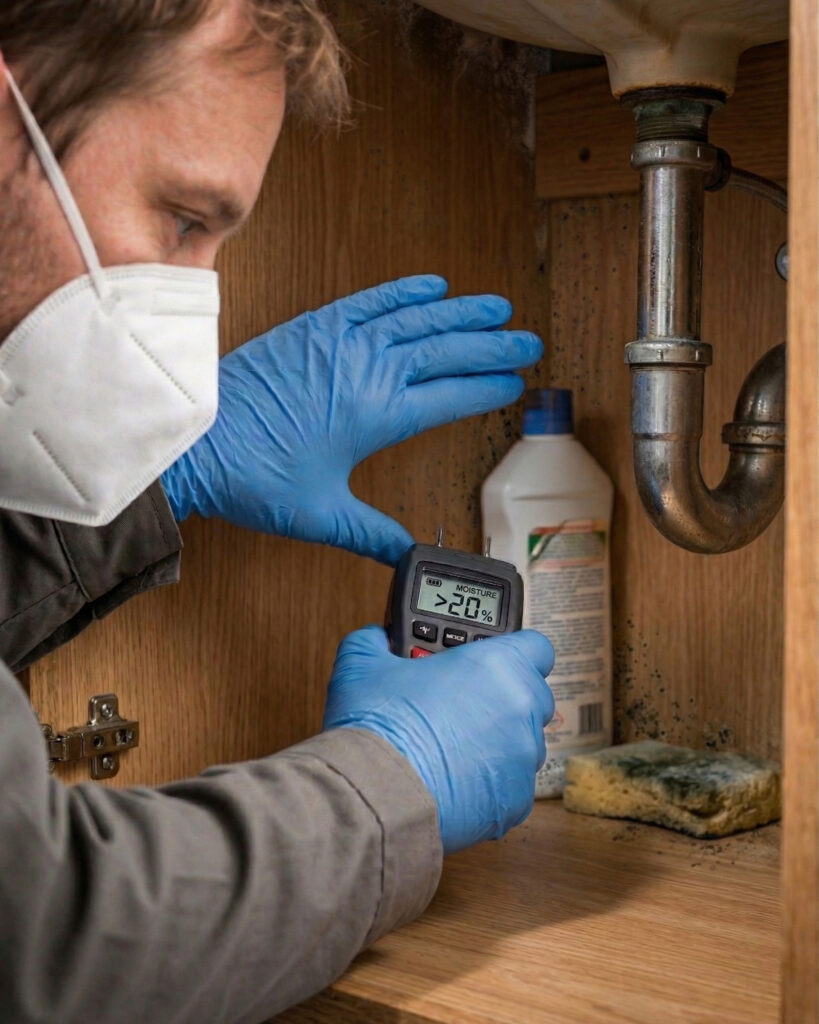
It begins with inspection and sampling
A mold assessment starts with a visual inspection of the affected areas, but visible growth is rarely the whole picture with mold. Air and surface sampling identify the types of mold present and their concentration levels. This is the information that matters a tremendous amount for both understanding the health implications and for establishing the nature of the problem.
Critically, sampling results help determine where the mold came from. Mold that developed as a direct result of a covered event — a burst pipe, storm intrusion, or sudden water damage — sits in a different category than mold that resulted from long-term moisture buildup or deferred maintenance. That distinction shapes whether the claim is covered and to what extent.
Tracing the moisture to its source
Establishing causation is one of the most important steps in a mold damage evaluation. Thermal imaging cameras and moisture meters allow adjusters to map where water has traveled — through walls, beneath flooring, and into structural cavities that aren’t visible to the eye. This mapping creates a documented path between the water intrusion event and the mold that followed.
Without that link, insurers have room to argue that the mold predates the claim or developed independently of the covered event. Moisture mapping removes that ambiguity and ties the damage directly to its origin.
Where things get complicated
Insurers handling business interruption claims are evaluating financial projections, repair timelines, and operational records simultaneously. The process is detailed, and the room for disagreement is significant. Undervalued revenue estimates, shortened restoration timelines, and narrow interpretations of what qualifies as a covered expense are all common points of contention.
Global Public Adjusters works directly with business owners to document losses thoroughly, build accurate claims, and negotiate with insurers on the full scope of the interruption. The goal is a recovery that reflects what was actually lost — so the focus can return to getting back to work.
If mold damage has affected your property and you’re navigating the claims process, reach out to our team. We’re here to make sure the full scope of your loss is documented and presented accurately.
